

It All Started with an iPhone
Thinking of starting a podcast for your brand or business?
The top question for many is — how good must my podcast gear be to create a podcast of quality?
A couple of days ago, a guy named JD posted in a podcasting Facebook group. The post went something like this:
“So, for those of you who think you need an expensive mic or other fancy gear to start a podcast and have it sound decent, you truly don’t. Case in point: My girlfriend, her 10-year-old son, and I were chatting at her house when he said he wanted to start a podcast. I said, ‘Let’s record RIGHT now!’ All I had was my phone, so we recorded an episode right then and there.
I edited the recording in Audacity, balanced the sound, and enhanced the audio so it sounded pretty decent. The point here is: anyone can do this. Just do it!”
Ten-year-old Ricky now has a podcast proudly tied to his name. And it was definitely more than “pretty decent” as described by JD.
Yes, JD is a fellow industry expert in audio editing and one does need a bit to technical expertise to polish audio that was recorded in non-studio environment.
But the fact remains that one does not need very fancy, professional-grade recording gear to start a podcast.
Of cos, that’s not to say that the iPhone isn’t fancy or professional-grade in any way.

What I’m saying is:
If you’re planning a podcast and overthinking or obsessing over your podcast gear setup, you’re focusing on the wrong problem.
Gear matters, but only to a point.
What matters far more is your podcast strategy, content, and promotion.
Table of Contents
Why Podcast Gear Isn’t the Biggest Hurdle
One of the top questions beginners ask: “What mic do I need to sound professional?”
You know what nobody asks?
“How do I make sure people actually listen to my show?”
That’s the real problem. A $1000 microphone won’t fix a boring show or a podcast without a clear value proposition.
If you have a listen to the episode JD produced for Ricky, you couldn’t really tell that it was done on an iPhone.
And that’s the reality: your audience does not listen to your podcast thinking whether it was recorded on an iPhone or a Sennheiser MKH416.
- Yes, there’s a minimum quality threshold for gear. Your listeners shouldn’t have to suffer through noisy, tinny audio.
- But most decent mics above USD $100 will provide perfectly good sound—if you use the right mic techniques and add a touch of post-production magic.
- Beyond a certain point, you hit diminishing returns. An USD $1000 MKH416 or a $4000 Neumann U87 — microphones typically used for voiceover recording in the studios — will not make your podcast up to ten times more successful than say a $400 Shure SM7B mic.
It’s like cars: upgrading from a rusty hatchback to a reliable sedan makes a difference in getting you around with better comfort and ease. But going from a sedan to a Ferrari won’t guarantee that you will become a better driver.
Audio often doesn’t stand out for being good. It only sticks out when it is bad.
Podcasts with distracting mic-pops, wire rumbling, and clipping distortion will make you lose your audience for sure, and that makes it hard for your podcast to succeed in the long run.
What Actually Makes a Podcast Succeed (Hint: Not Just Gear)
If you want your podcast to grow, don’t start by fretting over which mics to get. Start by thinking through these questions:
1. What’s Your Value Proposition?
Many podcasters feel they have a wealth of stories to share. But you need to ask: why should someone spend 30 minutes listening to you?
Your podcast needs a clear hook — a reason for listeners to care.
- Who is this podcast for? (Be specific—don’t just say “business owners.” Say “B2B SaaS founders looking to grow without VC funding.”)
- What unique problem do you solve? (Do you simplify complex financial news? Share insider marketing strategies?)
- Why you? (What experience, network, or perspective do you bring that others can’t?)
Example: If your podcast is for fitness professionals, don’t just call it “The Fitness Show.” Instead, “Smart Gains: Science-Based Tips for Personal Trainers Who Want More Clients.”
Having that clarity of a value proposition in your show title can attract the right audience and keep them coming back.
2. Do You Have a Content Strategy?

Too many podcasters fall into the “let’s wing it” trap, recording whatever comes to mind.
That works for seasoned broadcasters, not beginners.
Without a plan, episodes ramble, and such unfocused episodes don’t serve an audience.
Here’s how to avoid that:
- Map your first 10 episodes before launch. Think of them as your pilot season.
- Build around audience pain points: What questions keep your listeners up at night?
- Mix in different content types: interviews, solo tips, case studies, and Q&A episodes.
- Keep an editorial calendar: A simple spreadsheet works. Mark topics, guest names, and release dates.
Pro tip: Don’t chase random trends. Focus on themes that align with your podcast’s core value proposition.
3. Is Your Episode Structure Tight?

Listeners will forgive basic gear — but they won’t forgive a rambling, 90-minute mess.
A 30-minute episode should not feel like a 3-hour audiobook. Listeners appreciate clarity and pacing.
Your episodes need a framework. Here’s a simple one:
- The Hook (0:00–1:00): Tease the main insight and why it matters.
- The Core Content (1:00–25:00): 2–3 key points or stories. Avoid overloading with fluff.
- The Wrap-Up (25:00–30:00): Summarize the big takeaways, add a call-to-action (e.g., subscribe, share, visit your site).
Bonus tip: Front-load value. Don’t make listeners wait 10 minutes of chit-chat before hearing something useful.
In fact, you may want to consider whether you should even be spending the first 5 minutes of the episode asking your guest to “talk about themselves”.
Get to the problem statement of your episode early. Keep the guest’s background short or let your show notes take care of that altogether.
4. Is Your Editing Clean?
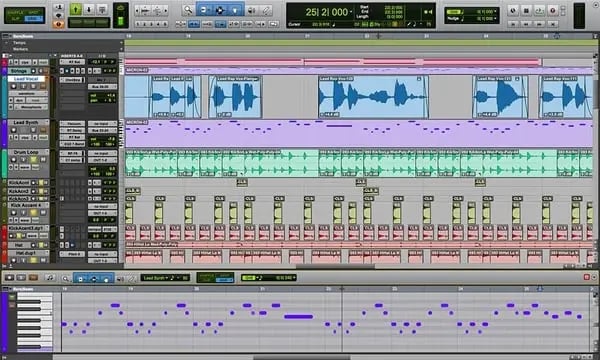
There are podcasters who believe podcasts should be kept raw (ie. minimal editing or no editing) to capture the spontaneity of the discussion.
But that’s probably one of the many myths or mistakes in podcasting that does not help anyone starting a podcast.
Podcasts have evolved significantly in the last couple of years, to the point where the quality of post-production separates the serious podcasters from the casual hobbyists.
It’s also a reflection of your professionalism, and by extension, the credibility and trust you convey to the audience.
At the most basic level, editing can include:
- Removing filler words, “uhms,” awkward pauses, and distracting breaths or thumps.
- Tightening the gaps and dead air to improve the conversational flow.
- Smoothing out the pacing to help your guest (and you) sound more eloquent and confident.
A more advanced editing process may involve:
- EQ-ing to shape the tonal quality of each voice and reduce harsh frequencies.
- Balancing loudness between speakers to avoid listener fatigue or frequent volume adjustments.
- Reducing background noise and enhancing clarity so every word is crisp and easy to follow.
- Removing gaps and filler words to enhance the flow of conversation and make you or your guest sound more intellectual and eloquent.
This is why post-production often takes three to six times longer than the actual recording time.
For beginners or businesses without audio editing expertise, this can quickly become overwhelming.
In such cases, consider outsourcing editing — it’s one of the fastest ways to level up your podcast quality.
Or, if you prefer to learn this on your own, feel free to join me in my next “The Art of Podcast Audio Recording & Editing” Masterclass, where I walk you through the exact podcast editing processes and a simple cheat sheet to dramatically level up your podcast editing.
5. Are You Promoting Relentlessly?
Podcasts don’t market themselves.
You can record the most brilliant episode in history — but if no one knows about it, it’s like shouting into an empty stadium.
Podcast discovery is tough because platforms like Apple Podcasts and Spotify don’t have optimised search algorithms like YouTube, or viral algorithms like TikTok.
That means you need to hustle as a podcaster in as many ways as possible, such as:
- Create engaging social media teasers: Use audiograms and short video clips to highlight compelling moments from your episodes. These formats tend to perform well on platforms like LinkedIn and Instagram, where visuals help stop the scroll and pull people into your content.
- Feature your podcast in email newsletters: If you already have a mailing list, your podcast should be a regular feature. Include a short teaser, a link to listen, and maybe even a key quote or takeaway to entice your subscribers to tune in.
- Equip your guests to help promote: Don’t just hope your guests will share the episode — make it easy for them. Provide pre-made assets like quote graphics, episode images, and suggested captions they can post on their own social channels.
- Join the conversation in relevant communities: Share your episodes in niche Facebook groups, Reddit threads, or LinkedIn communities where your target audience hangs out. But always lead with value. Frame your episode as part of a helpful conversation, not just a plug.
- Invest in paid amplification strategically: For your most valuable episodes, like those featuring a well-known guest or tackling a high-interest topic, consider boosting posts or running targeted ads. This can help you reach new audiences beyond your organic network.
- Repurpose your podcast content into blog posts: Instead of just publishing a raw transcript, turn key insights from your episodes into well-structured blog articles. This boosts your SEO, gives your audience another way to engage with your content, and helps you reach people who prefer to read rather than listen.
Consistency matters. Most podcasts die after less than five episodes because creators underestimate the amount of effort required for promotion.
If you ignore these, no amount of gear will save your podcast.
The Basics of a Podcast Gear Setup

Now, let’s address the question you came here for: what do you actually need?
You can start with just a smartphone, like JD did, and still get decent results with post-editing.
But if you want an upgrade, here are some recommended gear as starting points for beginning podcasters:
Microphones: Shure MV7x or Rode PodMic
- They are in the $100-$200 range category with above decent quality.
- XLR or USB versions of the mic? If you are a solo podcaster looking for a simple mic that plugs directly into your laptop for recording, a USB mic would do fine. But if you are hosting two persons or more in the same physical location during recording, you would need XLR mic options and pair it with an audio recording interface to record your podcast.
- Note: There are tons of mic reviews videos on YouTube such as the one below where you can go to to have a listen of how each one sounds like. But remember, everyone’s voice takes to a mic uniquely and differently.
Audio Interface: SSL+ MKII (or SSL 12 if you need more inputs)
- Audio interfaces are necessary when you need to connect more than one mic.
- It also gives you more flexibility in routing different audio sources for your podcast recording, especially with the creation of virtual loopbacks for recording.
- Not all entry-level audio interfaces have such versatility, not to mention stable drives. Hence, the SSL series is a reliable option in this regard
Headphones: Sony MDR7506 or Audio-Technica M40x
- Headphones is a must when recording more than one person, when if recording is done remotely.
- Remote recording or podcasting software may have echo-cancellation functions, but such processing degrades your audio quality. Hence, to avoid issues of poor audio clarity in your podcast, wear headphones during recording.
That’s it for the basic setup you would need to start your podcast.
No need for racks of gear, mixers with a million knobs, or studio-grade mics like the Neumann U87 (unless you have money to burn and like flexing on Instagram).
Remember: mic technique + good editing > expensive hardware.
The Podcast Launch Checklist
You don’t need to get everything perfect, but you do need to set strong foundations. Here are the essentials to check off before you launch:
✔ Define your target audience
Know exactly who you’re speaking to. This shapes your tone, content, and how you position your podcast in a crowded market.
✔ Nail down your podcast name and cover art
Choose a name that’s clear and searchable. Pair it with a bold, eye-catching cover design that reflects your topic and tone.
✔ Write your episode structure and talking points
Plan the flow of your episodes—intro, main content, segments, outro—and prep talking points so your delivery feels natural, not rambly.
✔ Record and edit your first 3 episodes
Launch with more than one episode so listeners can binge and subscribe. Ensure your audio is clean and polished—first impressions matter.
✔ Set up podcast hosting (Buzzsprout, Libsyn, or similar)
A reliable host gives you an RSS feed, analytics, and syndication. Choose one that’s beginner-friendly with solid support.
✔ Submit to directories (Apple Podcasts, Spotify, Google Podcasts)
You only need to do this once, but double-check your feed and metadata—approval times vary, so don’t leave it till launch day.
✔ Promote your podcast across social media and email
Create short clips, audiograms, quote cards, and teaser posts. Get your existing audience (and your guest’s followers) involved early.
✔ Track success metrics (downloads, engagement, conversions)
Measure what matters to your goals—not just downloads. Track listener drop-off, email opt-ins, or inbound leads if it’s business-driven.
? Want this checklist as a downloadable PDF?
We’re packaging it up with bonus templates, gear recommendations, and a launch timeline you can follow step-by-step.
Coming soon—drop your email to get early access.
Ready to Start Your Podcast? Take This Test
Still wondering if you’re ready? Try our “Podcast Readiness” Scorecard.
It’ll tell you if you’re podcast-ready—or what gaps to fix first.
Final Word: Stop Waiting for Perfect Gear
Podcast success is built on ideas, structure, and consistency—not just on shiny microphones.
If a 10-year-old and JD can launch a podcast in a living room with an iPhone, what’s stopping you?
Start with what you have. Build from there. The world is waiting to hear your voice.
You may also like:
How to Record a Podcast on iPhone: The Complete Step-by-Step Guide (2025)
A 14-min video to run through all the things you need to start a podcast today!