
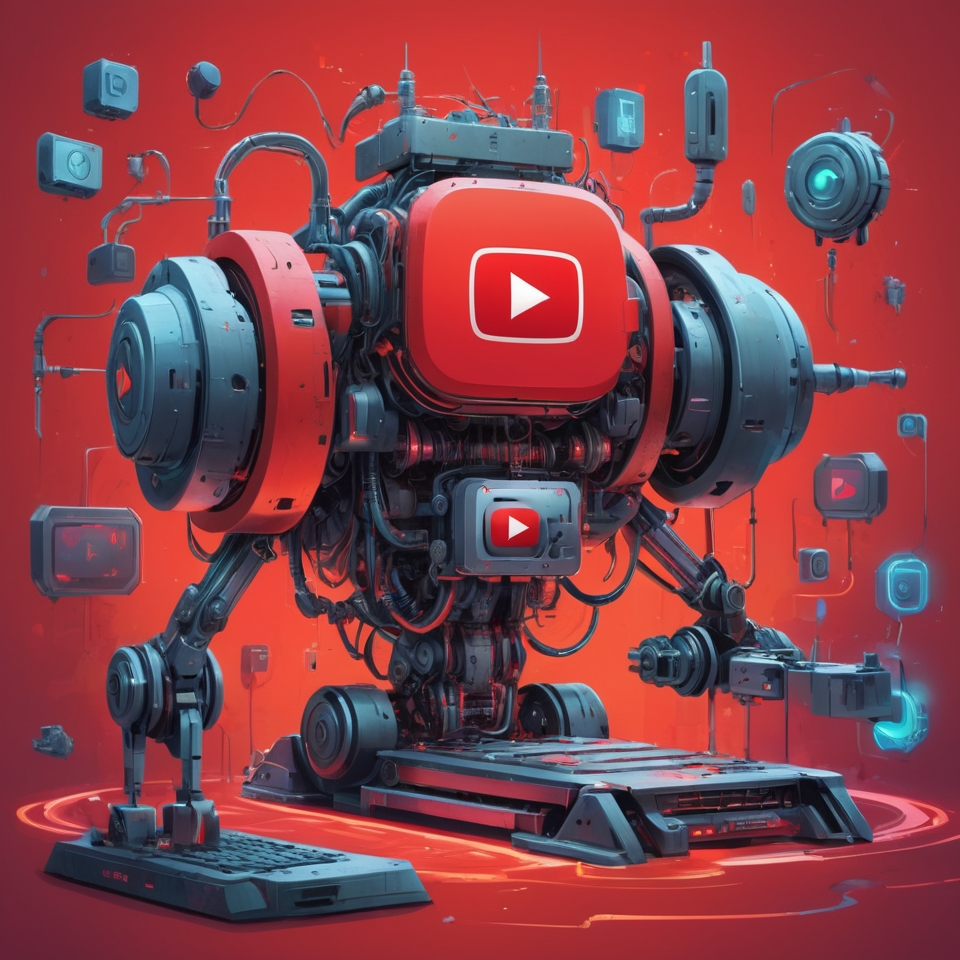
YouTube’s War Against AI Slop Content Begins
Starting July 15, 2025, YouTube will enforce one of its most significant policy updates in recent years, tightening its monetisation rules to clamp down on what many call “AI slop content.”
Under the revised guidelines, channels that rely heavily on AI-generated voiceovers, reused video clips, and low-effort compilations risk losing monetisation entirely.
This move is YouTube’s latest response to the growing flood of low-quality, AI-powered content cluttering its platform.
Videos that offer little more than algorithmically generated scripts and stitched-together clips with a lifeless AI voice have increasingly dominated YouTube’s recommendation algorithms and search results.
At its core, this update is a battle for authenticity. YouTube no longer wants to reward channels that exploit AI tools purely to churn out mass-produced videos with minimal human input.
Instead, the platform is doubling down on its longstanding promise to reward original, creator-driven content.

Table of Contents
YouTube’s Latest Monetisation Policy Update: What We Know So Far
Key Changes Coming on July 15, 2025
From July 15, 2025, YouTube will apply stricter criteria under the YouTube Partner Program (YPP) to determine whether content qualifies as “original and authentic.” Creators must clearly demonstrate that they are adding unique value, whether through original voiceovers, insightful commentary, significant editing, or transformative context.
Creators who fail to meet these standards risk not just demonetisation on a video-by-video basis, but losing their entire channel’s monetisation privileges.
What Types of Content Will Be Hit Hardest
The most vulnerable formats include:
- AI-narrated news summaries
- Low-effort compilation videos of trending clips
- Reaction videos with minimal commentary or analysis
- “Silent reaction” – Shorts where creators simply point at or watch another video
- Channels heavily reliant on AI-generated scripts and cloned voices
Simply put: if the bulk of a video is recycled or computer-generated without meaningful human contribution, it will likely face demonetisation.
Why YouTube Is Making This Change Now
How AI Slop Content Hurts YouTube’s Reputation and Revenue
For months, industry observers and creators have sounded alarms about the rise of “AI slop”, ie. videos produced rapidly at scale with little regard for originality or viewer value. These channels often scrape content from elsewhere, chop it into bite-sized segments, overlay an AI-generated voice, and flood YouTube’s ecosystem.
Not only does this degrade the viewer experience, it also poses serious copyright risks. Worse, it risks diluting YouTube’s overall brand value as a destination for trustworthy, engaging content.
As noted in a recent article from Techcrunch, “while YouTube may downplay the coming changes as a ‘minor’ update or clarification, the reality is that allowing this type of content to grow and its creators to profit could ultimately damage YouTube’s reputation and value.”
Example: AI Voiceover Channels Cutting Up Longer Videos
A common AI slop tactic involves copying longer videos — such as podcasts, news discussions, or educational content — breaking them into clips, and re-narrating them with AI voices. These repackaged videos then siphon traffic from original creators while offering no fresh insight.
For YouTube, this creates a compounding issue: not only does it divert advertising revenue away from legitimate creators, but it also clogs viewers’ feeds with repetitive, low-quality noise.
Impact on Content Creators: Who Should Worry?
Why Small and Medium Creators Are Most at Risk
While larger creators and media organisations often have the resources to meet YouTube’s evolving standards, smaller creators face tougher challenges. Many independent YouTubers, freelancers, and niche brands have leaned on AI tools and stock content to quickly produce videos, especially for Shorts and trending topics.
This policy change puts those creators directly in the crosshairs.
Monetisation loss could hit small-to-mid-tier channels hardest, potentially wiping out their ad revenue overnight.
And with YouTube’s subjective review system—where reviewers focus on your most-viewed and recent videos—the risks are compounded for creators who can’t easily pivot their content strategy.
The Growing Need for Authenticity and Original Commentary
This change underscores a key theme: authenticity is no longer optional.
Creators must now prove that their content offers a genuine human perspective. Simply remixing existing clips or letting an AI voiceover run the show isn’t enough.
In practice, this means adding personal commentary, showing your face or voice, and delivering insights that AI cannot replicate. It also means being mindful of how much of your content consists of reused material—YouTube reviewers are watching.

How Creators Can Adapt and Avoid Demonetisation
Move Beyond AI Voices: Speak in Your Own Voice
One of the clearest signals YouTube has sent is this: real human voices matter.
Creators should record their own narrations wherever possible, using their natural voices or at least high-quality custom voice cloning based on their real speech. This not only aligns with YouTube’s new policies but also builds greater audience trust.
As creators, if you are comfortable recording your own voice-overs, you will often find it much quicker and more efficient than relying on AI voice cloning. With a modest investment in a good microphone and a proper recording setup, you can produce high-quality audio that feels natural and authentic, with the investment paying off over time if you are already monetising your YouTube channel.
In contrast, generating AI voiceovers can be surprisingly time-consuming. It often takes multiple attempts to get the right tone, pacing, or emotion, which can lead to a frustrating and tedious editing process during post-production.
Add Unique Commentary, Insights, and Value
You can’t just replay someone else’s video anymore. You need to:
- Pause videos to provide analysis or reactions
- Offer personal opinions or additional context
- Reframe the original content from a fresh angle
For example, breaking down a viral video with humour, analysis, or counterpoints can turn a standard reaction into transformative content.
From the perspective of YouTube, transformative content refers to videos where creators significantly alter or add new meaning, commentary, or value to existing copyrighted material, thereby transforming it into something original.
This concept is central to fair use, which permits limited use of copyrighted works for purposes such as criticism, commentary, or parody. When reviewing videos, YouTube evaluates whether the creator’s contribution meaningfully changes or enhances the original content.
Build Original Formats That Prioritise Your Perspective
Think beyond reactions and compilations. YouTube increasingly rewards creators who develop their own content formats—whether it’s explainer videos, educational breakdowns, podcasts, or personal storytelling.
The goal is to make you or your point of view the focus of the content, not the clip you’re discussing. Hence, you would need to put in more strategic thinking when planning your video content.
Consider Solo Podcasting as a Scalable, Authentic Format
Another effective way for creators to embrace original content is through solo podcasting, particularly in video format. This approach not only allows you to speak directly to your audience but also lets you share your unique perspectives, insights, and stories — elements that YouTube’s new monetisation guidelines are increasingly favouring.
The podcast industry itself is on a strong growth trajectory. Global podcast market revenue is projected to reach USD 131.13 billion by 2030, growing at a compound annual growth rate (CAGR) of 27.0% from 2025 to 2030. For creators, this signals a long-term opportunity to build deeper audience relationships while creating monetisable content.
Video podcasts, in particular, offer a high level of flexibility. A single recording session can produce both long-form episodes for YouTube and podcasts, as well as short clips or YouTube Shorts ideal for quick social media teasers or algorithm-friendly posts. This makes solo podcasting a highly efficient, scalable format for creators looking to grow their channels while staying within YouTube’s evolving content guidelines.
?️ Pro Tip from Backbeat Studios:
If you’re ready to explore video podcasting but unsure where to start, we help creators and brands produce high-quality podcasts—from recording and editing to voice coaching and content strategy.
Whether you’re planning a full video podcast or need help creating Shorts-ready clips from your episodes, we can guide you through the process.
? [Learn more about our podcast production services →https://www.biggerbetterbackbeat.com/podcast-production-packages/]
Key Takeaways for Creators Navigating YouTube’s New Rules
YouTube Isn’t Against AI—It’s Against Low-Effort, Non-Original Content
Contrary to some fears, YouTube isn’t banning all AI-assisted content. Rather, it’s targeting AI-generated videos that offer little to no creative input from humans.
If you use AI as a tool for scripting or editing, but still add your own voice, personality, and perspective, you’re likely in the clear.
Authenticity Will Be a Competitive Advantage in the New Era
Creators who embrace authenticity will have a distinct edge moving forward. Audiences increasingly value creators who share personal experiences, deep expertise, or honest reactions. YouTube’s latest rules simply formalise that preference.
Action Steps: Create, Voice, and Think Differently
- Record your own voiceovers instead of relying on AI narration.
- Insert personal insights, unique commentary, and thoughtful analysis.
- Explore hybrid approaches—such as voice cloning tools trained on your own voice—for added scale without losing authenticity.
Final Thought:
This update isn’t merely a tweak to YouTube’s rules. It reflects a broader shift in the creator economy toward meaningful, human-centred content.
As AI-generated videos flood the internet, the real winners will be those who focus on originality, insight, and authentic storytelling. Creators who are willing to step away from shortcuts and embrace this change early will find themselves better positioned not just to maintain monetisation, but to build loyal, engaged audiences in the evolving digital landscape.