
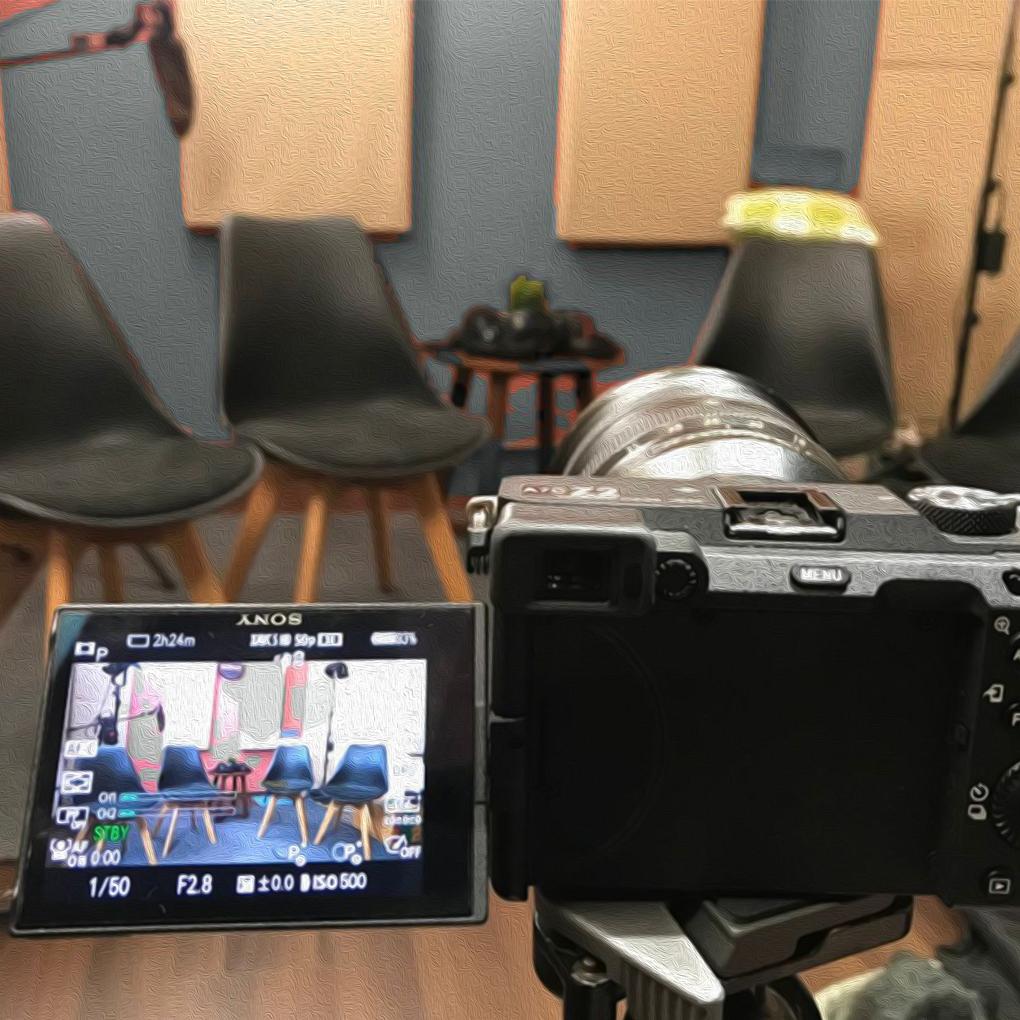
You’ve probably noticed it: more brands are showing up on YouTube and LinkedIn, not just with podcasts you can hear, but podcasts you can see.
Video podcasts are everywhere. From thought leaders talking to cameras, to brands repurposing interviews into slick clips that rack up thousands of views on TikTok and YouTube Shorts.
And yet, if you’re running an audio-only podcast (or still hesitating to launch one at all), there’s a nagging question in your head:
— Is video podcasting really worth the hassle?
The short answer: yes — if you approach it strategically.
The longer answer is what this article is about:
- the real reasons business owners and brands hold back from video podcasting;
- the actual benefits you can unlock once you do it; and
- a practical plan to overcome the roadblocks without blowing your budget or burning your team out.
Why Video Podcasts are Trending Now
Podcasting’s Big Shift: From Audio to Video
As early as the late 2010s, forward-thinking podcasters who recognised YouTube’s growth potential began pivoting to video-format podcasting.
For years, many traditional podcasters resisted this shift and the associated hype surrounding video podcasts, with purists insisting that “podcasts should remain an audio-only format”.
But now, look at what happened in the last few years.
In 2022, YouTube tied Spotify as the most-used platform amongst weekly podcast listeners.
Today, the data is even more compelling. In Feb 2025, YouTube celebrated its milestone of reaching 1 billion monthly active viewers of podcast content on its platform.
The future is clear. YouTube is on track to pull farther ahead, poised to capture more than 40% of the audience and surpass the combined listener base of both Spotify and Apple Podcasts.
This shift in listener behaviour is more than just a passing fad; it represents a fundamental change in how audiences, particularly the next generation of consumers, discover and engage with content.
Neglecting YouTube means you’re not just missing out on an audience, you’re missing out on a key piece of the modern content ecosystem.
Just reference what the Amazon-owned Wondery did earlier this month. The audio podcast company announced it would be shifting its audio narrative podcasts to Audible as Amazon readjusts its strategy to focus on video podcasts, which is where consumption and ad dollars have pivoted towards.
“YouTube is the elephant in every room. Everyone’s thinking about video podcasting. And people are responding in different ways.”
— Josh Lindgren, Head of Podcast Department, Creative Artists Agency.
For any brand or business with a podcast or planning to start one very soon, the trend signals are clear — you will need YouTube podcast as a part of your podcasting strategy to grow your show and amplify its reach.
Why YouTube Should Be at the Core of Your Podcast Strategy
1) The YouTube algorithm improves the discoverability of your podcast
What YouTube does very well compared to Apple Podcasts and Spotify is in its search algorithm, which makes it so much easier for podcasts to be found or recommended based on one’s consumption habits.
Podcasters on Reddit have generally experienced an uptick in their podcast performance after uploading their audio-only podcasts to YouTube. One even claimed his podcast channel on YouTube has 300% more listens & views than the rest of the podcast platforms combined.

For a start, it’s incredibly convenient to get your audio-only podcast on YouTube these days. Services like Transistor.fm can automatically turn your audio episodes into videos with a static image.
But if you are able to take it a step further and add real video elements to your show, you’ll unlock a new audience you’d never find on platforms like Apple Podcasts or Spotify.
2) YouTube is the most-used content platform for digital natives
It’s no secret that the younger generation or the digital natives (to avoid myself sounding ageist) consumes content differently.
The Gen Z, for example, discovers podcasts mainly through social media and YouTube, moving away from the traditional listening apps older audiences prefer.

To them, YouTube isn’t just a video platform — it’s their search engine, entertainment feed, and learning hub all rolled into one.
This trend isn’t just anecdotal. The latest surveys from 2025, conducted by various leading market research houses such as Coleman Insights and Edison Research, confirm that YouTube is the preferred platform for this demographic to discover and listen to podcasts.
When you publish video podcasts on YouTube, you’re placing your brand exactly where this massive audience spends its time.
Even if Gen Z isn’t your immediate target market, you’ll risk losing your share of audience soon enough if you keep ignoring this trend.
If you’re still constantly wondering why your podcast isn’t growing on Apple Podcasts or Spotify, I dare say you probably have misjudged the competitive landscape.
You’re no longer just competing with fellow podcasters in the audio space.
You are fighting for “content attention” alongside every creator on YouTube, Instagram and even Netflix — possibly mainstream TV as well, with reports are saying that “TV screens have officially overtaken mobile as the primary device for YouTube viewing“.
Therefore, to truly grow, you must expand your definition of a podcast and meet your audience where they already are.
3) Almost all platforms are now betting big on video.
The rise of video podcasts isn’t just consumer-driven. It’s also a platform-driven trend.
Spotify has paid out more than USD 100 million to podcasters and publishers in Q1 of 2025 alone, with a heavy push on video integration.
Meanwhile, YouTube continues to consolidate its dominance by implementing new tools and enhancing monetisation opportunities for podcasters. For example, it recently introduced new content discovery features like the new Weekly Podcast Shows chart, giving both creators and viewers a fresh way to find the top shows in the U.S.
Even Netflix has signalled its intention in exploring ways to add video podcasts to its platform.

When tech giants double down on a format, it’s a signal: video is where the growth will be pushed the hardest.
The video podcast industry is still at its early stage of expansion in 2025. According to a published research on video podcasting by Sweetfish Media in 2024, less than 17% of current podcasters were regularly recording and publishing video content for their podcast.
For brands and businesses, this means that the earlier you adopt video as your new podcast format, the greater the rewards, including preferential algorithm reach and more monetisation opportunities.
Plus, a chance to ride the wave before the space becomes oversaturated.
4) Video shorts and clips are marketing gold
The biggest hidden value of recording a video podcast isn’t the full-length content itself.
Rather, it’s the ability to create dozens of short, snackable pieces of content from every episode that can be used for marketing your show.
A single 40-minute video podcast can be chopped into YouTube Shorts, Instagram Reels, LinkedIn teasers, or TikTok clips. Visualise the content multiplier effect you can achieve through such a repurposing process.
Besides the fact that it can save you or your team tons of effort to fill up two weeks’ worth of content on your social media calendar, these clips act like mini-commercials for your brand.
Each one has the potential to reach new audiences, drive curiosity, and funnel viewers back to your full podcast or website.
In a world of endless scrolling, pivoting from audio-only to video podcasting will therefore provide you with way more assets to capture the attention of your target audience.
Reason 5: Stronger Brand Presence
Having more video assets at your disposal also helps build a stronger connection with your audience.
From what we already know, audio podcasts already excel as an intimate content medium. They live in your listeners’ ears, often during personal moments, like commutes, workouts, or late-night wind-downs. That earbud companionship makes podcasts unique compared to blogs, social media, or even video.
But video adds another dimension: presence.
Not just presence by being more visible, but a stronger presence based on familiarity and parasocial connections.
When audiences can see a host’s expressions, gestures, and micro-reactions, the voice they’ve grown used to suddenly belongs to a tangible persona. A wry smile, a raised eyebrow, a moment of laughter — these subtleties turn a podcast from a one-way conversation into something that feels shared.
Psychologists describe such one-sided bond that audiences form with media personalities as a form of parasocial connection, and podcasts have long been perceived to be a more susceptible content medium for such relationships.
In audio, that bond already feels strong because of how intimate the medium is.
With video added, this effect compounds. Your audience aren’t just hearing your voice in their head; they’re also watching your face and body language. In the process, a sense of closeness and trust fosters, where the audience feels like they know you even though they have never met you in reality.
This is precisely the reason why Alex Hormozi — the guy who just completed the largest launch in internet marketing history in August — said during his $100M book launch — that if given the choice between creating 100 15-sec clips vs a 2-hr podcast, he would go for the 2-hr podcast, always.
His reason being the podcast allows one to go deeper into your content and you increase the “surface area” for people to build the relationship with you or your brand, or simply to like your stuff.
The Top Reasons You Haven’t Started a Video Podcast (and How to Overcome Them)
Now, even if you are convinced by now of the benefits of having a video podcast as opposed to just an audio-only one, you may have a lot of mental blocks in your head right now resisting the notion.
Based on my client interactions and what many fellow podcasters have shared online, a clear pattern emerges:
Most creators don’t avoid video because it’s hard; they avoid it because of fear, misconceptions, and overcomplication.
Let’s dismantle the biggest blockers one by one.
1. “I hate being on camera / I don’t look good enough.”
Reality check: Video podcasting isn’t broadcast television. Viewers shouldn’t be expecting a newsroom set or a host who looks like they walked out of a stylist’s chair. They care about what you have to say or offer, less about visual perfection.
How to fix it:
- Go partial visual: Film your hands, a branded desk setup, or subtle B-roll to give viewers something to engage with without being fully on-camera.
- Use avatars or add in more slides: Plenty of top YouTube creators thrive with animated avatars, title cards, and motion graphics instead of live video.
- Show up selectively: Appear for a powerful intro and outro, then let guests or dynamic visuals carry the main conversation.
Being in front of a camera takes some getting used to, but ultimately, video is about control, not vanity.
You decide the angle, style, and level of visibility. Some of the most-watched creators are proof that personality and clarity of ideas beat aesthetics every time.
As you are likely to be shooting your video podcast in the same space every time, it’s worthwhile however to spend a bit of time creating a background set that levels up the quality vibes of your production. For starters, check out this video from Riverside:
2. “Video production takes too much time and money.”
Reality check: The myth that video is an expensive, gear-heavy monster is outdated. Today, smartphones can rival entry-level cameras. Free or low-cost tools have slashed the time needed for editing and publishing.
How to fix it:
- Start lean: A $100 mic, a smartphone, and a window for natural light are all you need for a pro-looking start.
- Template your workflow: Create a repeatable setup for lighting, framing, and recording. Save presets in your editing software.
- Batch and repurpose: Record multiple episodes in one session and slice them into shorts, reels, and YouTube clips — squeezing maximum value out of a single shoot.
Think of video as marketing leverage: one batch-recording session fuels your YouTube channel, social content, and podcast platforms.
3. “I’m not sure if video podcasts will do better than my audio-only podcasts.”
Reality check: As I’ve shown in the earlier sections, this argument was true… five years ago. Creators like The Diary of a CEO and Huberman Lab have proven that video-first distribution drives massive growth, discovery, and audience loyalty.
Listeners on audio-only platforms have different listening to those who seek out podcast or related content on YouTube. The overlap of these two groups of audience is therefore rather narrow. Making your podcast available on YouTube can therefore put your show in front of a different but way larger ocean of audience that Apple Podcasts and Spotify.
How to fix it:
- Reframe your audience strategy: YouTube is a search engine for video-first content. Many people who discover your show there first would likely not have sought out your show on Apple Podcasts or Spotify first.
- Design for both formats: Record for video, then extract the audio feed for traditional podcast apps.
- Tap YouTube’s algorithmic reach: YouTube Shorts and clips are discovery machines — one viral clip can do more in terms of brand visibility than years of audio-only marketing.
As mentioned earlier, video podcasting isn’t a trend; it’s a platform shift. Betting only on audio is like running a blog in 2025 without social media.
If you feel you need more proof before committing, try starting with a 6-episode video pilot.
- Publish full video episodes to Youtube and the audio versions to Apple Podcasts and Spotify.
- Create 5 – 7 shorts / reels from each episode for social media marketing.
- Track impressions, subscriber count growth, and audience engagement metrics (likes, comments, shares, watch time, etc.).vs your last six audio-only episodes.
This way, within a month or two, you’ll have hard data — not subjective inputs — telling you if video drives growth.
4. “Editing video sounds overwhelming.”
Reality check: Editing video is easier than ever. Tools like Descript, Riverside, and Premiere Pro templates now make cutting multi-camera podcasts nearly drag-and-drop simple. You don’t need to be a film editor — you need a streamlined workflow.
How to fix it:
- Use AI-powered tools: Auto-cut silences, generate captions, and create highlight reels in minutes using a podcast recording platform like Riverside or Descript.
- Standardise your setup: Fixed framing, consistent lighting, and simple backgrounds to make your editing less effort-intensive.
- Outsource smartly: If editing eats your time, hire freelancers or agencies. Your job is creating strategic content, not learning motion graphics.
Once you lock in your process, editing becomes repeatable and less intimidating.
5. “I don’t have the confidence to start video.”
Reality check: Nobody starts confident. Confidence is built in episode 5, 10, 20 … not episode 1. The first recordings will always feel awkward — that’s a rite of passage every creator has gone through.
How to fix it:
- Rehearse without publishing: Record 2–3 “test episodes” to build camera comfort before you ever hit upload.
- Start private: Release your first few episodes to a small circle or private YouTube link to get feedback.
- Focus on the conversation, not yourself: Shifting attention to your guest or topic helps reduce camera anxiety.
Confidence is a skill you build by showing up and with repeated practice. Sometimes, it is more of the self-judgement that is holding one from presenting in from of a camera. Check out some practical tips from video confidence coach Sue Moses in this short video here:
If you feel you need some more help, check out her Video Secrets program here.
In a month, you’ll have hard data — not opinions — telling you if video drives growth.
Why Now Is the Best Time to Start
The shift to video isn’t coming — it’s already here. Platforms are prioritising it, audiences crave it, and early adopters are building the visibility, authority, and trust that everyone else will be chasing in 2026. Waiting won’t make things easier — it’ll make it harder.
But here’s the good news: you’re still early in the race if you start now.
Currently, only about 17% of podcasters globally are recording in video, and a small share are publishing video consistently. That means the majority of the space is wide open. As more creators hesitate, you still have time to claim headroom in a fast-forming visual market.
Combine that with explosive user adoption — on Spotify, video podcast consumption users have increased by nearly 40% year-over-year, and on YouTube, an astonishing 1 billion people listen to podcasts monthly, with over 400 million hours watched on TV screens alone last year.
That means you’re not behind — you’re ahead. Video podcasting today is like being a founder in the early days of podcasting itself: build smart, and build now, and you can own the future.
If you’re serious about being part of that future, but want a clear, friction-free path, download the free 30-Day Video Podcast Power Launch Guide now:
- A week-by-week blueprint to go from idea to full video podcast launch
- Gear recommendations that fit any budget
- Repurposing secrets that turn one episode into a month’s content flow
- Tracking metrics to prove video is working for you
[⬇️ Download the 30-Day Video Podcast Power Launch Guide Now]
Further viewing: